
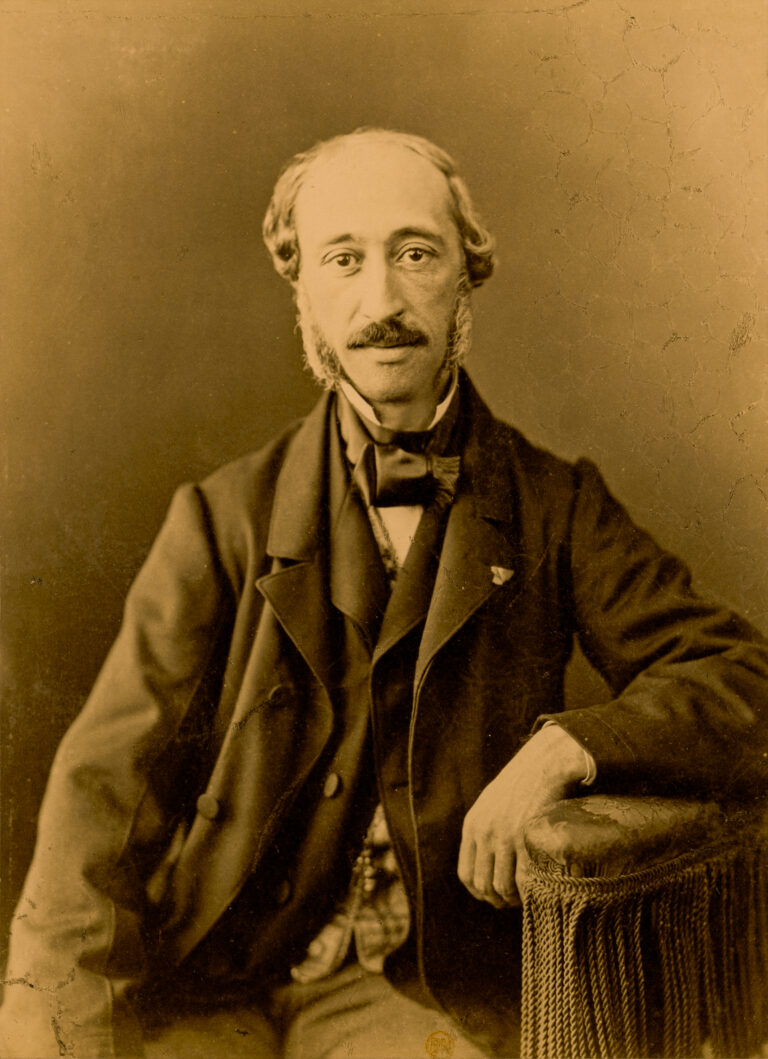
Experimenting with metal electrodes and an acidic solution, nineteen-year-old French physicist Alexandre Edmond Becquerel creates the first solar cell, known as a photovoltaic cell, that could carry an electric current from light.
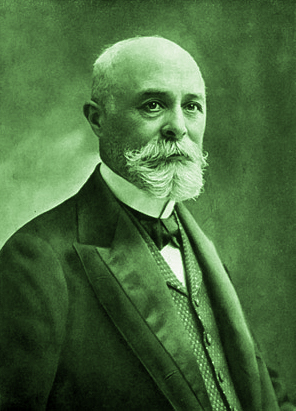
Charles Fritts, an American inventor, creates the first functioning solar panels with solar cells made from selenium wafers. Selenium was discovered to be photovoltaic by Willoughby Smith. The first solar panels were affixed to a New York City rooftop, but these panels are very inefficient with an energy conversion rate of 1%.

Edward Weston receives the first U.S. patent for "solar cell," which helps bring more research interest and ultimately creates more efficient solar panels.
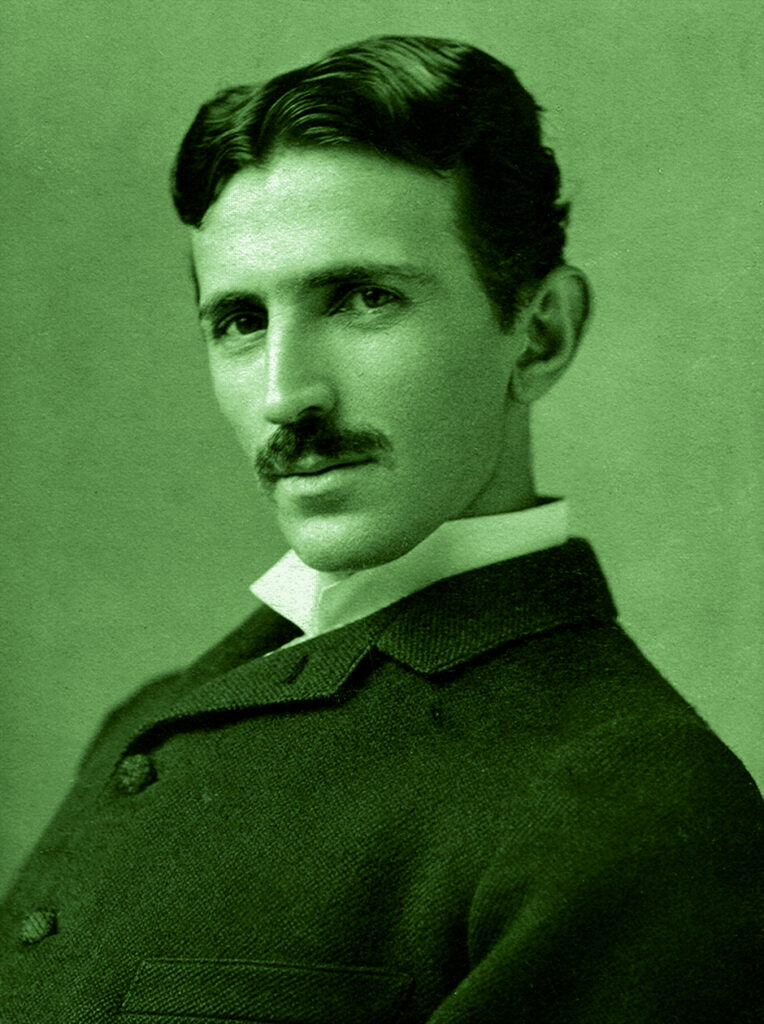
Nikola Tesla received the U.S. patent for "method of utilizing, and apparatus for the utilization of, radiant energy" - also known as the solar panel!

Albert Einstein publishes a paper on the theory behind the “photoelectric effect,” which officially proved the process of how the sun creates energy through solar cells.
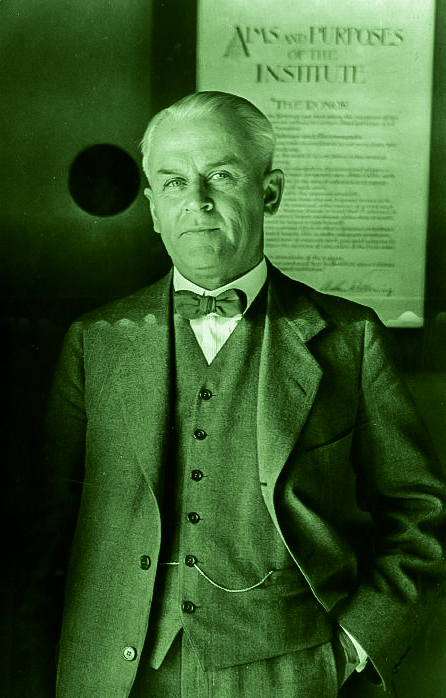
Robert Millikan performs an experiment on Einstein’s theory on the photoelectric effect, proving the theory.
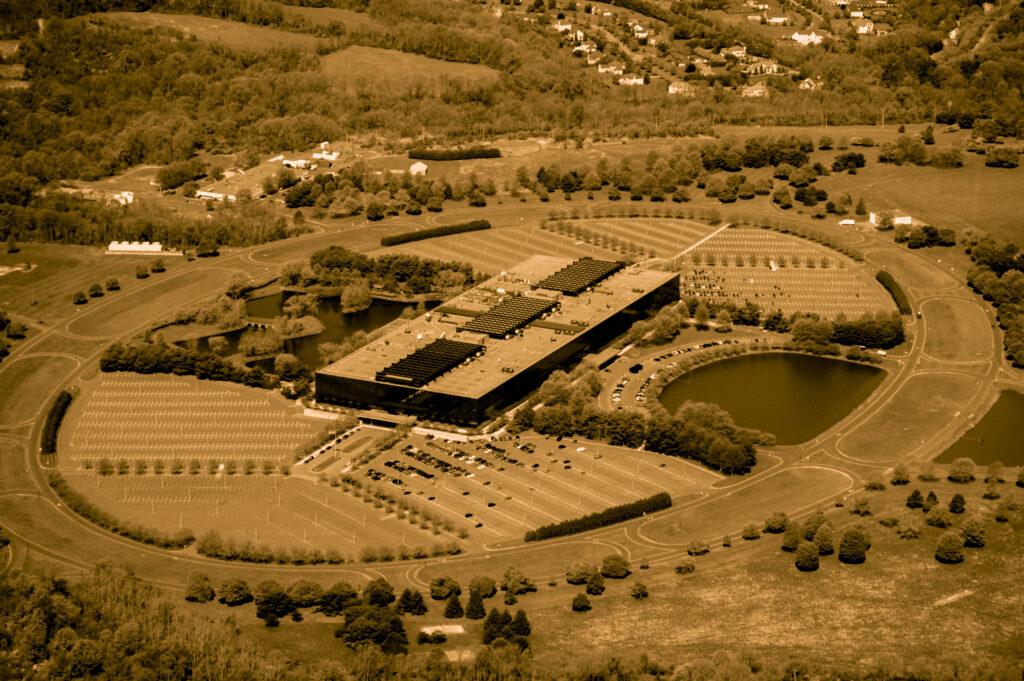
Gerald Pearson, Daryl Chapin, and Calvin Fuller, physicists at Bell Labs, exhibit the first high-power silicon solar PV cell that increases energy conversion efficiency by using silicone instead of selenium wafers.
Interestingly, Bell Labs was a branch of Exxon Mobile but instead of embracing solar, Exxon reverted back to fossil fuels.
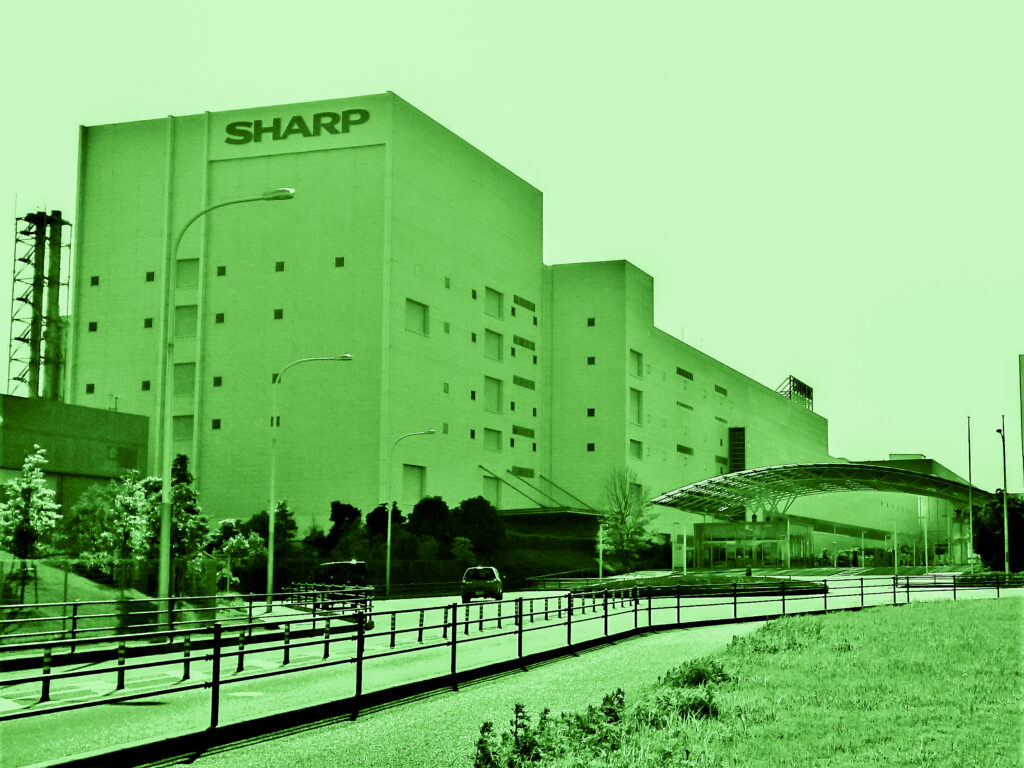
Sharp Corporation produces a viable photovoltaic module of silicon solar cells, successfully mass-producing solar panels. Japan installs a 242-watt PV array on a lighthouse, the world's largest array at that time.
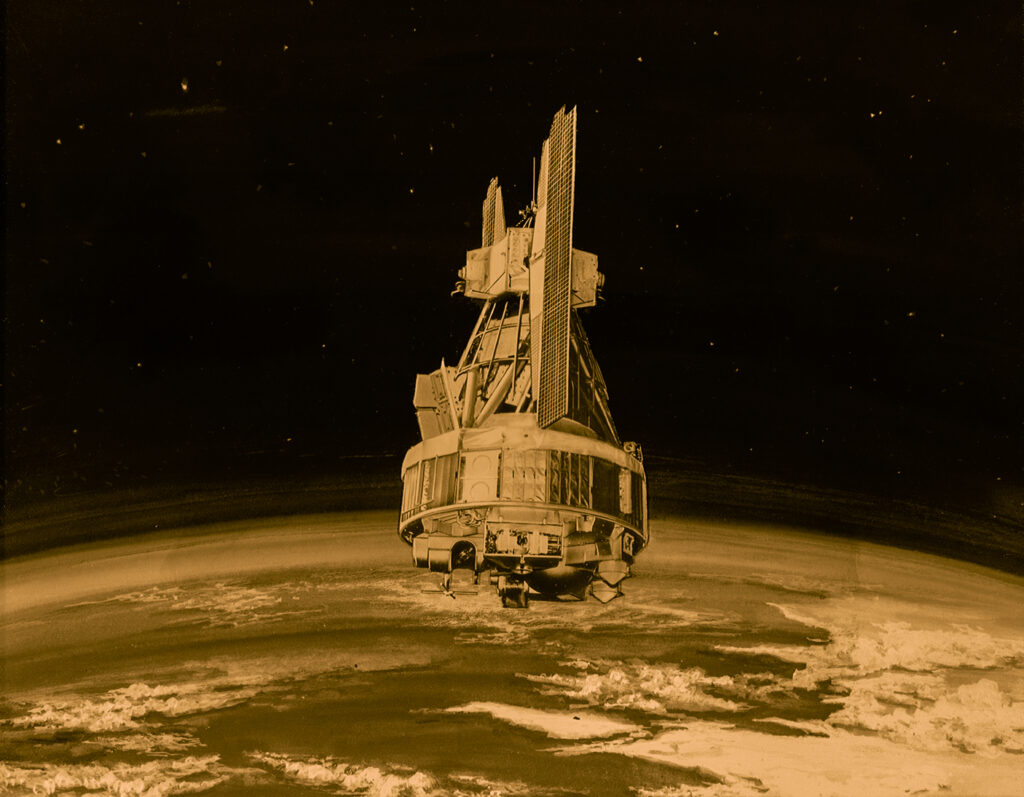
NASA launches the first Nimbus satellite with a 470-watt PV array after the successful launch of Vanguard I by the Naval Research Laboratory.
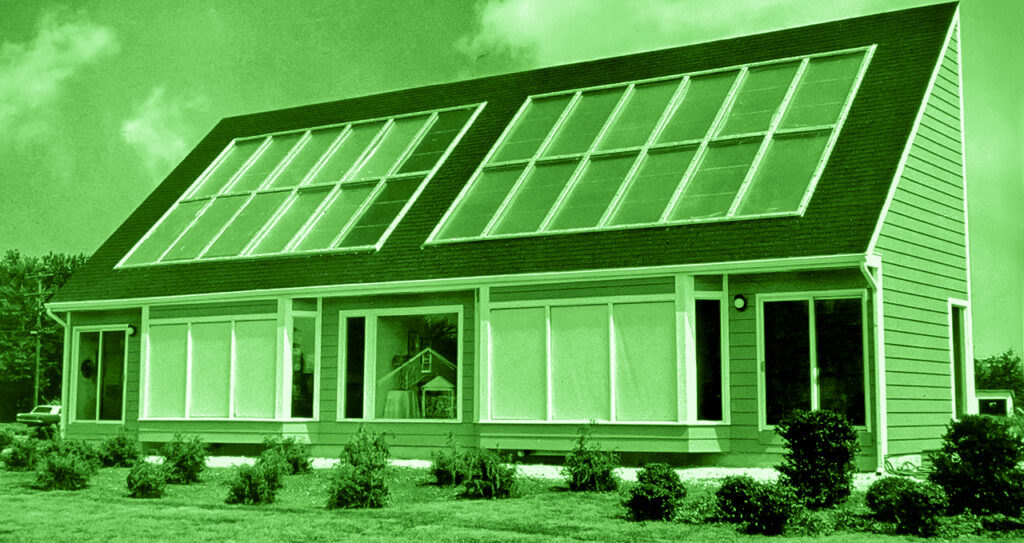
The University of Delaware creates the first solar-powered building called the “Solar One” which uses PV panels and solar thermal energy.
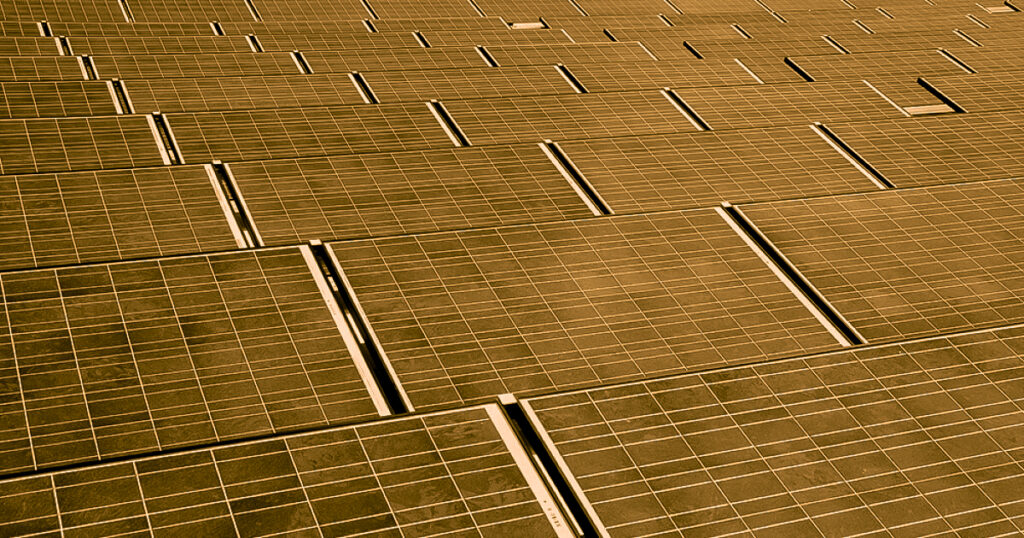
Kyocera Corp begins production of thin-film silicon ribbon crystal solar modules, simplifying the manufacturing process.
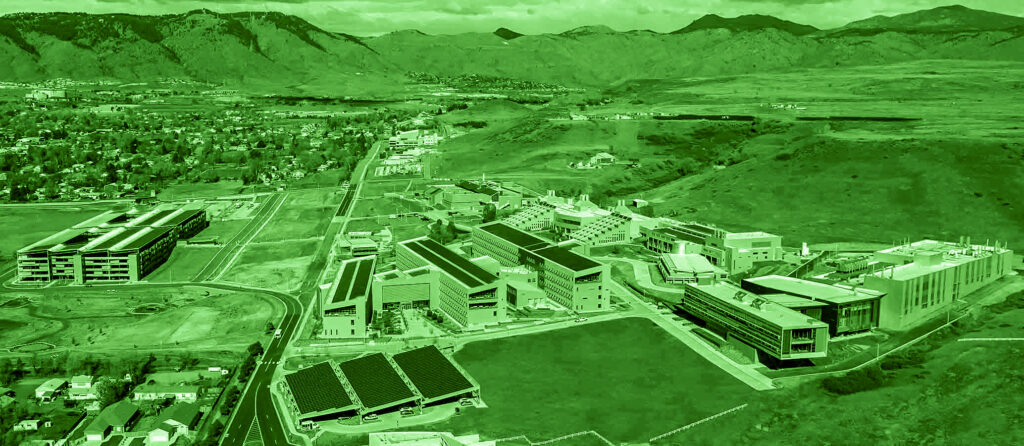
The U.S. Department of Energy establishes the U.S. Solar Energy Research Institute in Golden, CO. This organization is now NREL, the National Renewable Energy Laboratories - they are in charge of renewable energy research for energy independence.
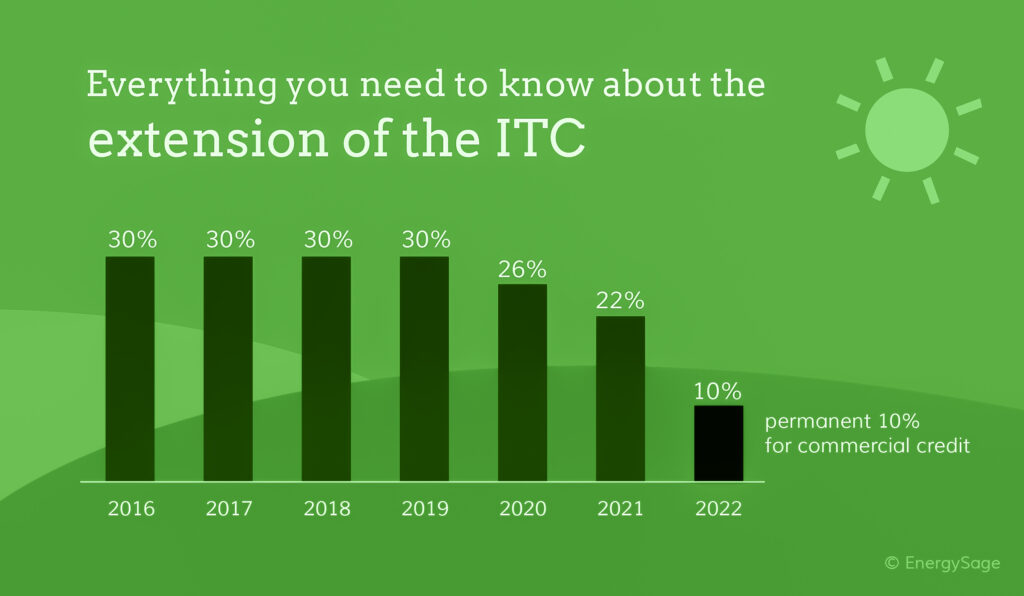
The Energy Policy Act of 2005 (P.L.109-58) creates a 30% investment tax credit (ITC) for commercial and residential solar energy systems that applied from January 1, 2006, through December 31, 2007.
These credits were extended for one additional year in December 2006 by the Tax Relief and Health Care Act of 2006 (P.L.109-432). This helped make solar panels more affordable for both businesses and homeowners.
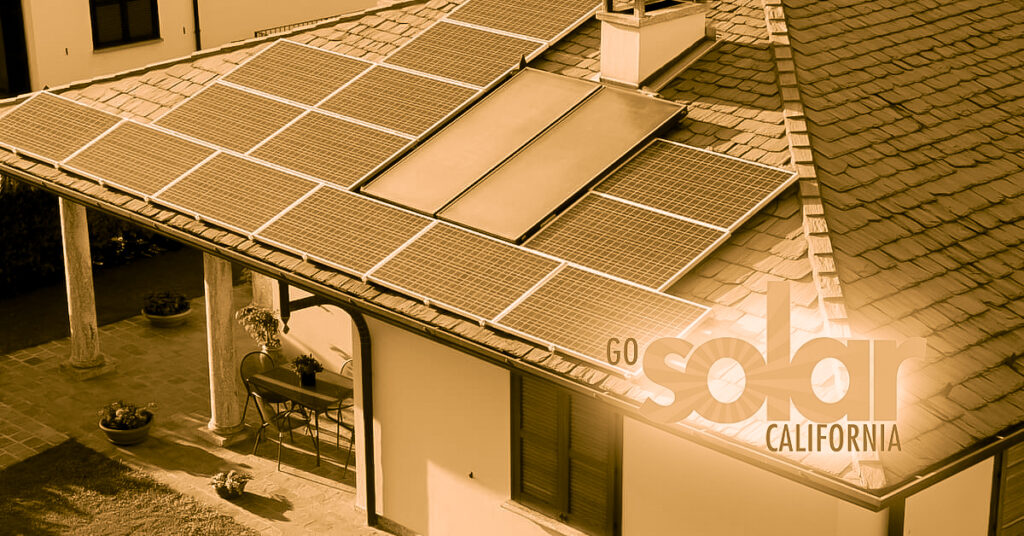
The California Public Utilities Commission launches the California Solar Initiative (CSI), a 10-year, $3 billion solar subsidy program. After launching, the CSI program is well received by the market, with higher than expected application volume.
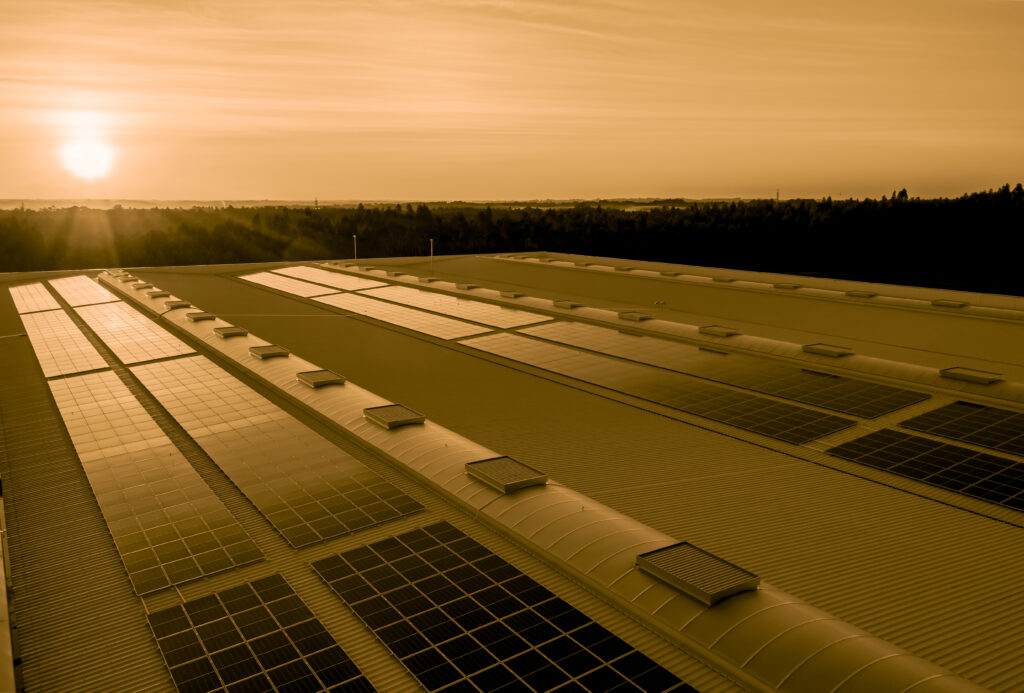
Global investment in clean energy exceeds $100 billion, with solar energy as the leading clean energy technology for venture capital and private equity investment. The solar tax credits helped to create unprecedented growth in the U.S. solar industry from 2006-2007.
The Emergency Economic Stabilization Act of 2008 (P.L.110-343) included an eight-year extension of the commercial and residential solar ITC, eliminated the monetary cap for residential solar electric installations, and permitted utilities and companies paying the alternative minimum tax (AMT) to qualify for the credit.
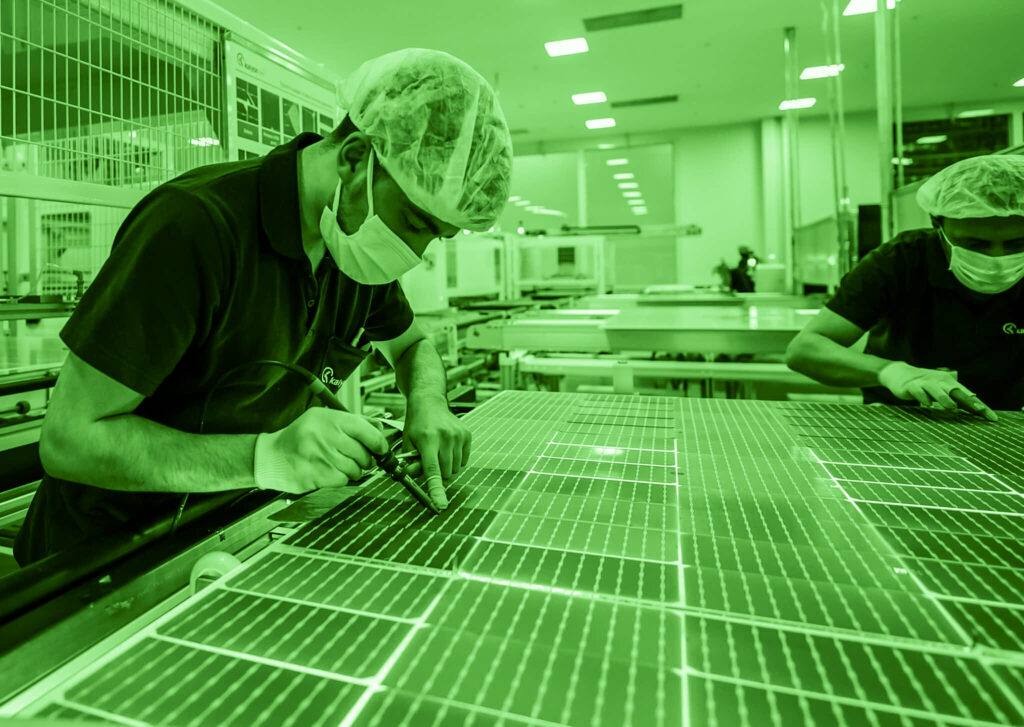
Chinese manufacturing companies begin to build large automated solar cell and solar module production factories that further reduce the cost of modules down to $.70/watt
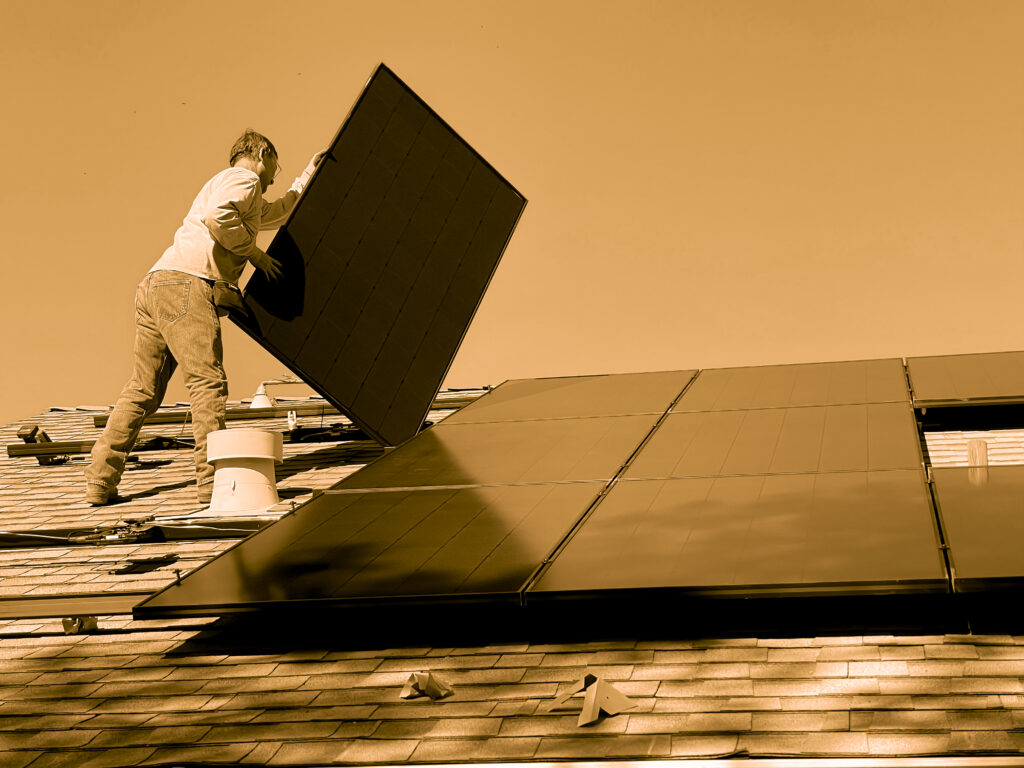
Residential solar system installations become cost-effective for the average American household. In 2015, more residential solar power is installed in the U.S. in over 18 months than in all the cumulative history prior to this.
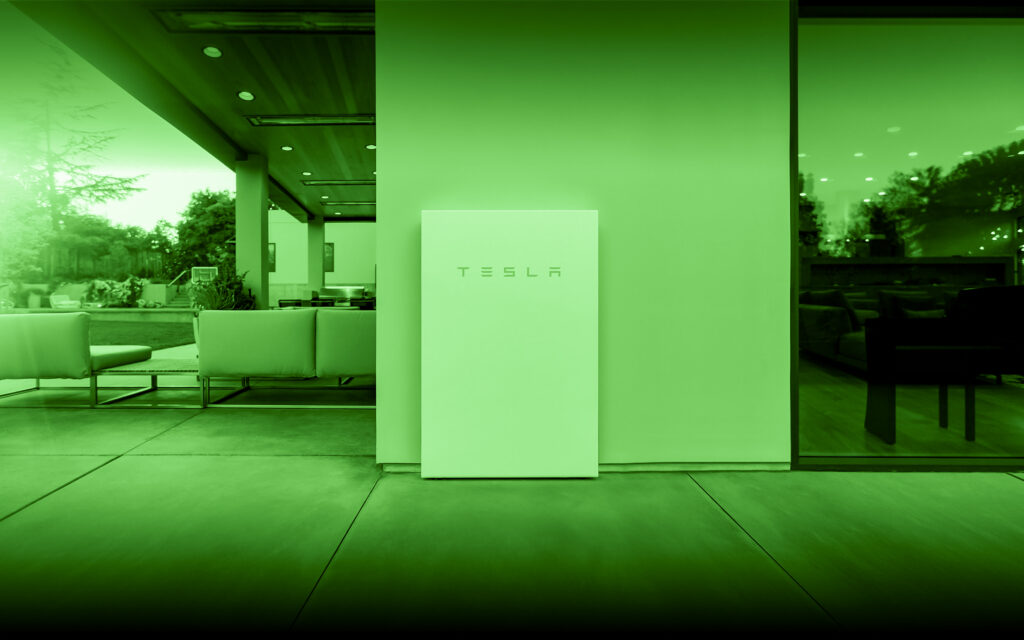
The Tesla Motor Company announces its intention to launch a lithium-ion battery storage product at a price point that would make it economic for ordinary American householders to store solar power generated during the day for use at night.
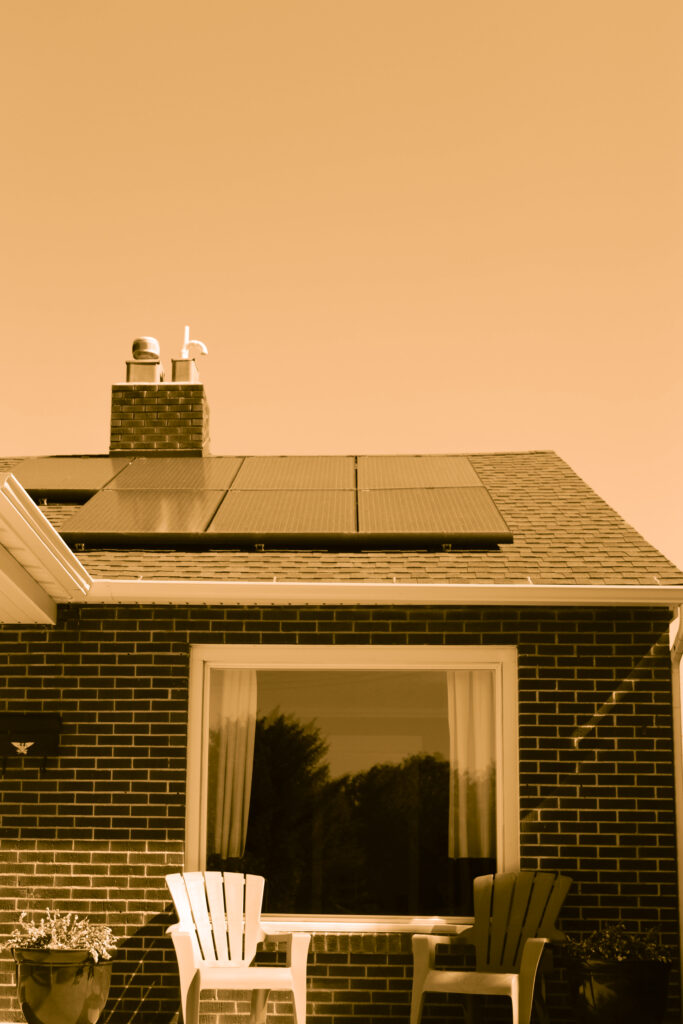
Solar use is now exceeding expectations because of its low cost to build and superiority over fossil fuels.
The U.S. is installing solar panels at a rate of 1 in 600 homeowners per quarter. It took 40 years for the U.S. to reach 1 million installations, a milestone hit twice over.
California is the leading state in the U.S. for solar installations but many others are quickly catching up - states ranging from Texas to Rhode Island. Globally, Asia has the most amount of installed solar with Europe as a close second.